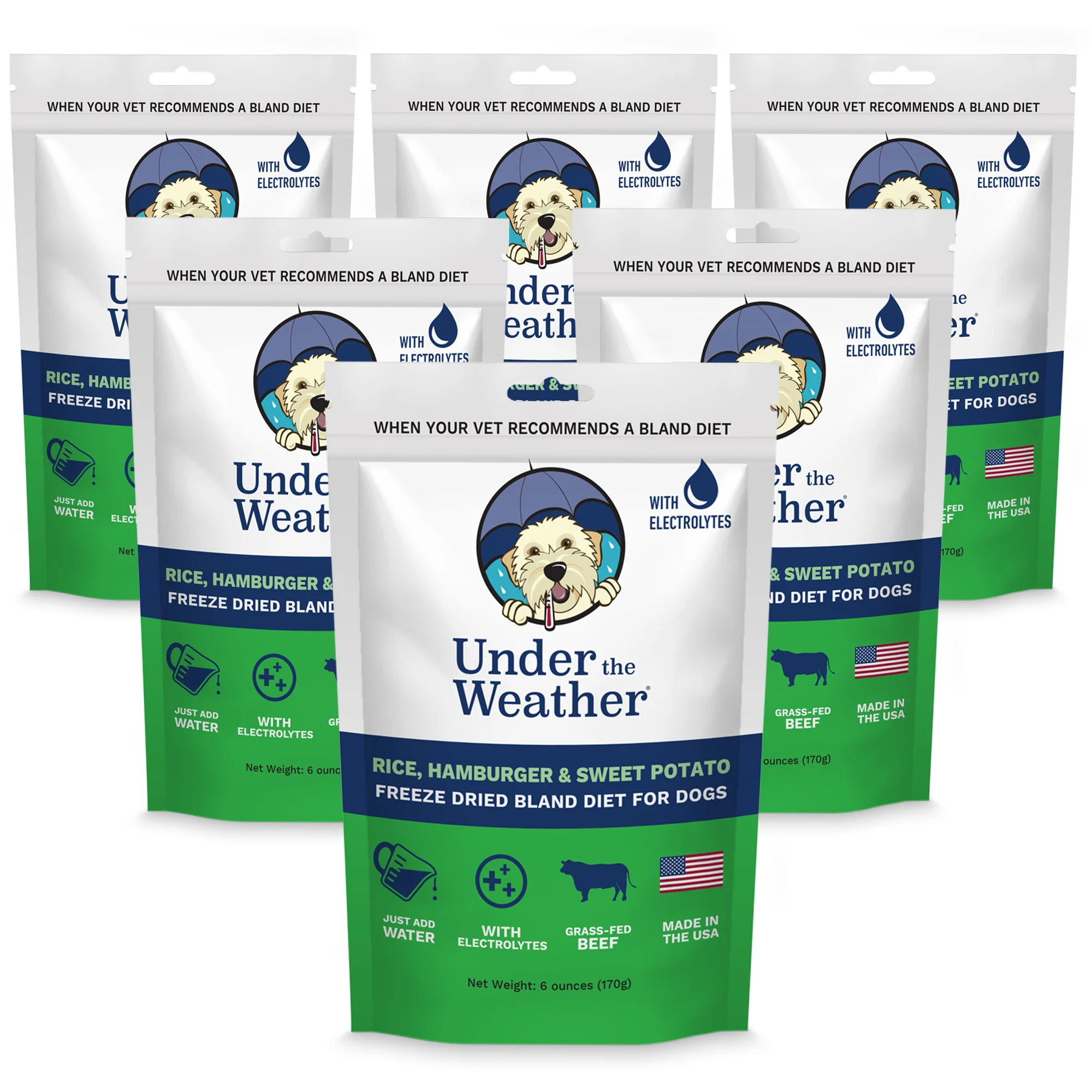
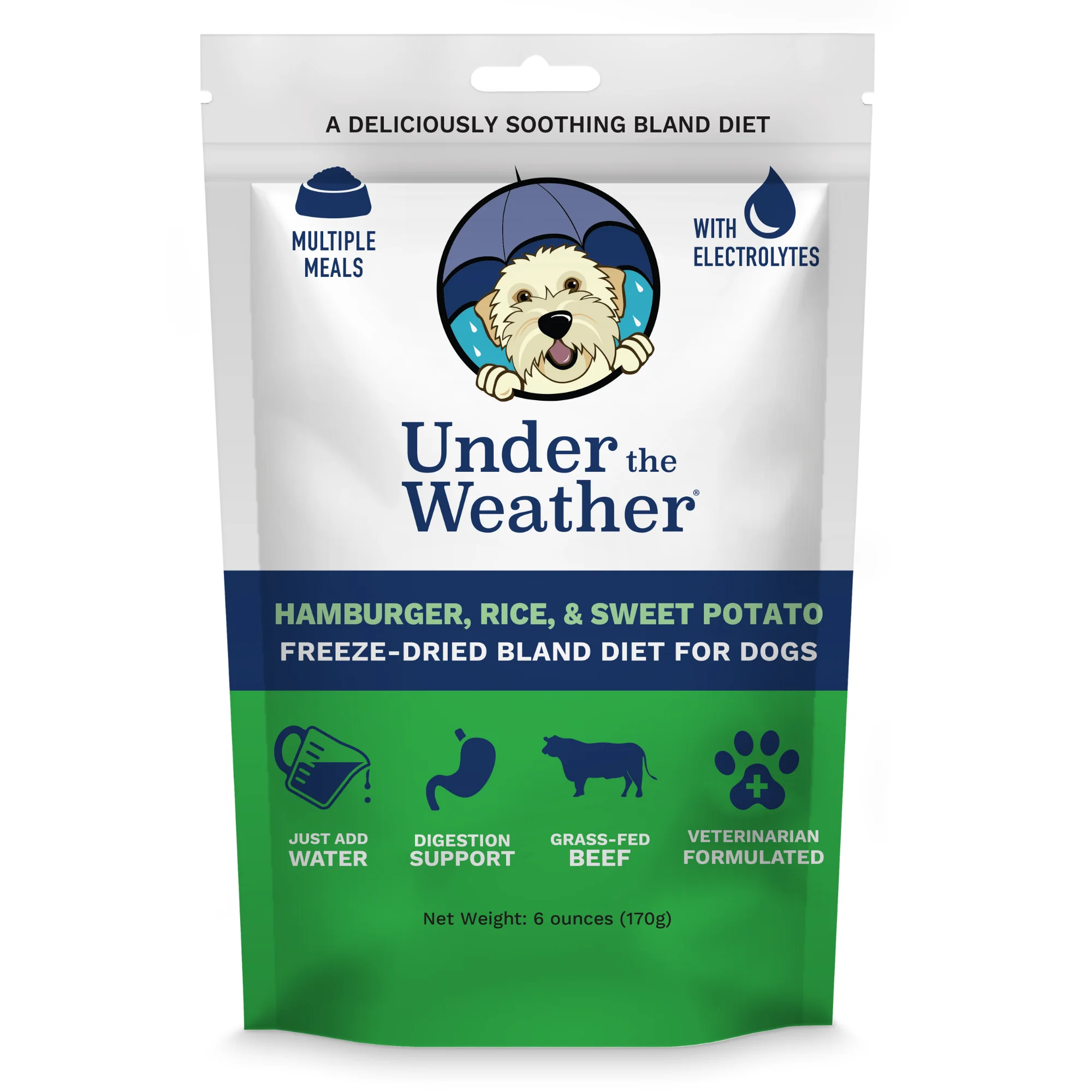
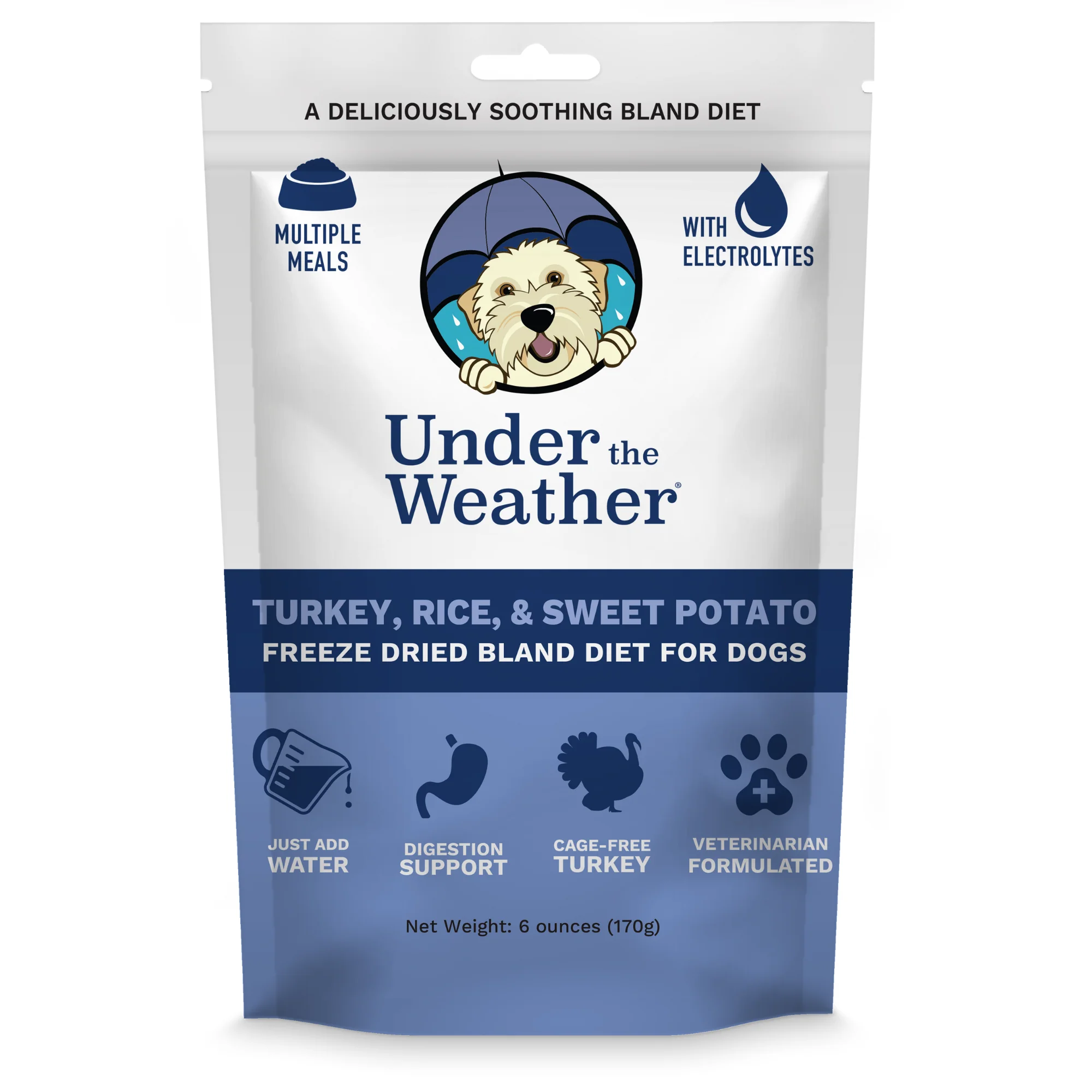
Turkey, Oatmeal, Sweet Potato and Slippery Elm Bland Diet For Dogs
Understanding the Basics of a Bland Diet for Dogs
Before diving into the details, let’s cover the fundamentals. A bland diet for dogs typically includes mild, easily digestible ingredients such as a low-fat protein and a simple carbohydrate—hence why veterinarians often recommend boiled chicken and rice. This diet combination is designed to provide essential nutrients while avoiding additional irritation to a sensitive stomach. Bland diets are commonly recommended for dogs with gastrointestinal issues, during recovery from illness or injury, low appetite, as well as conditions like pancreatitis.
Prevalence of Gastrointestinal Issues in Dogs
To understand the importance of bland diets, it’s useful to note the frequency of digestive issues in dogs. According to a survey by the American Veterinary Medical Association (AVMA), about 45% of dogs experience some form of digestive discomfort over their lifetime. Symptoms like vomiting, diarrhea, and abdominal pain often lead pet owners to seek alternatives to traditional kibble. In cases of pancreatitis—a painful inflammation of the pancreas—dogs particularly benefit from bland, low-fat diets to reduce strain on the digestive system and promote healing.
Why Bland Diets Work: The Science Behind It
Let’s explore why bland diets can be effective for dogs. Dr. Amanda Smith, a veterinary nutritionist, notes that simple, digestible foods like chicken and rice can soothe the digestive system and reduce inflammation. Research from the Journal of Veterinary Internal Medicine supports this, showing that bland diets can positively affect gut microbiota, reduce inflammation, and improve digestive health in dogs. For dogs with pancreatitis, a bland, low-fat diet is especially beneficial, as it minimizes stress on the pancreas and helps prevent flare-ups by reducing the risk of inflammation.
Customizing the Bland Diet
Each dog’s dietary needs are unique, and a veterinarian’s guidance is essential for creating a tailored plan. A study in the Journal of the American Veterinary Medical Association underscores the importance of personalized diets for dogs with digestive issues, highlighting the value of professional support. For dogs with pancreatitis, customized, low-fat diets are especially important to help manage the condition, as they can reduce strain on the pancreas and support long-term digestive health.
How is a Bland Diet Helpful for a Dog with Pancreatitis
A bland diet is especially helpful to have on hand for dogs with pancreatitis during flare-ups. It helps ease digestive symptoms like vomiting and diarrhea while minimizing stress on the pancreas. By providing easily digestible, low-fat foods, this diet gives the pancreas time to heal, effectively "resting" it and avoiding foods that can trigger inflammation.
A bland diet is especially helpful to have on hand for dogs with pancreatitis to use during times of a flare -up. Easing digestive symptoms like vomiting and diarrhea will minimizing stress on the pancreas and By providing easily digestible, low-fat foods, this diet allows the pancreas time to heal, effectively "resting" it and avoiding the types of foods that can trigger inflammation.
How does slippery elm help with pancreatitis
Slippery elm can be beneficial for dogs with pancreatitis due to its soothing, anti-inflammatory properties. When mixed with water, it forms a mucilage that coats and protects the lining of the stomach and intestines, reducing irritation and easing symptoms like nausea, vomiting, and diarrhea that often accompany pancreatitis. It may also help regulate bowel movements and promote healthy digestion, offering gentle support to a sensitive digestive system without putting added stress on the pancreas.
Slippery elm can be beneficial for dogs with pancreatitis due to its natural anti-inflammatory and soothing properties. The inner bark of slippery elm contains mucilage, a gel-like substance that coats and soothes the digestive tract, which can help reduce irritation in dogs experiencing pancreatitis-related symptoms like vomiting and diarrhea. Additionally, slippery elm can support digestive health by promoting healthy gut flora and easing discomfort, making it a gentle, natural aid for dogs with inflamed or irritated digestive systems. However, it’s always best to consult a veterinarian before adding supplements like slippery elm to a dog’s diet, especially in cases of pancreatitis.
What is Slippery Elm
Slippery elm is an herbal remedy from the inner bark of the slippery elm tree, rich in mucilage, a substance that forms a soothing gel when mixed with water. For dogs with pancreatitis, slippery elm can help by coating and calming the digestive tract, reducing irritation, vomiting, and diarrhea. Its anti-inflammatory properties provide additional relief, making it a gentle aid for digestive discomfort.
Original: $15.99
-65%$15.99
$5.60Product Information
Product Information
Shipping & Returns
Shipping & Returns
Description
Understanding the Basics of a Bland Diet for Dogs
Before diving into the details, let’s cover the fundamentals. A bland diet for dogs typically includes mild, easily digestible ingredients such as a low-fat protein and a simple carbohydrate—hence why veterinarians often recommend boiled chicken and rice. This diet combination is designed to provide essential nutrients while avoiding additional irritation to a sensitive stomach. Bland diets are commonly recommended for dogs with gastrointestinal issues, during recovery from illness or injury, low appetite, as well as conditions like pancreatitis.
Prevalence of Gastrointestinal Issues in Dogs
To understand the importance of bland diets, it’s useful to note the frequency of digestive issues in dogs. According to a survey by the American Veterinary Medical Association (AVMA), about 45% of dogs experience some form of digestive discomfort over their lifetime. Symptoms like vomiting, diarrhea, and abdominal pain often lead pet owners to seek alternatives to traditional kibble. In cases of pancreatitis—a painful inflammation of the pancreas—dogs particularly benefit from bland, low-fat diets to reduce strain on the digestive system and promote healing.
Why Bland Diets Work: The Science Behind It
Let’s explore why bland diets can be effective for dogs. Dr. Amanda Smith, a veterinary nutritionist, notes that simple, digestible foods like chicken and rice can soothe the digestive system and reduce inflammation. Research from the Journal of Veterinary Internal Medicine supports this, showing that bland diets can positively affect gut microbiota, reduce inflammation, and improve digestive health in dogs. For dogs with pancreatitis, a bland, low-fat diet is especially beneficial, as it minimizes stress on the pancreas and helps prevent flare-ups by reducing the risk of inflammation.
Customizing the Bland Diet
Each dog’s dietary needs are unique, and a veterinarian’s guidance is essential for creating a tailored plan. A study in the Journal of the American Veterinary Medical Association underscores the importance of personalized diets for dogs with digestive issues, highlighting the value of professional support. For dogs with pancreatitis, customized, low-fat diets are especially important to help manage the condition, as they can reduce strain on the pancreas and support long-term digestive health.
How is a Bland Diet Helpful for a Dog with Pancreatitis
A bland diet is especially helpful to have on hand for dogs with pancreatitis during flare-ups. It helps ease digestive symptoms like vomiting and diarrhea while minimizing stress on the pancreas. By providing easily digestible, low-fat foods, this diet gives the pancreas time to heal, effectively "resting" it and avoiding foods that can trigger inflammation.
A bland diet is especially helpful to have on hand for dogs with pancreatitis to use during times of a flare -up. Easing digestive symptoms like vomiting and diarrhea will minimizing stress on the pancreas and By providing easily digestible, low-fat foods, this diet allows the pancreas time to heal, effectively "resting" it and avoiding the types of foods that can trigger inflammation.
How does slippery elm help with pancreatitis
Slippery elm can be beneficial for dogs with pancreatitis due to its soothing, anti-inflammatory properties. When mixed with water, it forms a mucilage that coats and protects the lining of the stomach and intestines, reducing irritation and easing symptoms like nausea, vomiting, and diarrhea that often accompany pancreatitis. It may also help regulate bowel movements and promote healthy digestion, offering gentle support to a sensitive digestive system without putting added stress on the pancreas.
Slippery elm can be beneficial for dogs with pancreatitis due to its natural anti-inflammatory and soothing properties. The inner bark of slippery elm contains mucilage, a gel-like substance that coats and soothes the digestive tract, which can help reduce irritation in dogs experiencing pancreatitis-related symptoms like vomiting and diarrhea. Additionally, slippery elm can support digestive health by promoting healthy gut flora and easing discomfort, making it a gentle, natural aid for dogs with inflamed or irritated digestive systems. However, it’s always best to consult a veterinarian before adding supplements like slippery elm to a dog’s diet, especially in cases of pancreatitis.
What is Slippery Elm
Slippery elm is an herbal remedy from the inner bark of the slippery elm tree, rich in mucilage, a substance that forms a soothing gel when mixed with water. For dogs with pancreatitis, slippery elm can help by coating and calming the digestive tract, reducing irritation, vomiting, and diarrhea. Its anti-inflammatory properties provide additional relief, making it a gentle aid for digestive discomfort.